
Metal surfaces across Wellington face constant attack from moisture, salt air and environmental exposure. Rust formation begins innocuously but accelerates into serious structural compromise. What starts as surface oxidation rapidly evolves into deterioration that threatens equipment reliability, operational safety and asset value.
Corrosion costs New Zealand industries millions annually through premature component failure, unplanned downtime and emergency replacements. Traditional removal methods compound these challenges rather than solving them effectively. Grinding damages substrate integrity. Sandblasting generates hazardous waste streams. Chemical treatments introduce toxic residues and disposal complications.
Laser technology revolutionises how Wellington businesses approach rust removal. This advanced surface treatment method eliminates corrosion without creating secondary problems. Precision, efficiency and environmental responsibility converge in a single solution that outperforms every conventional alternative.
Why Corrosion Demands Immediate Attention
Surface rust appears harmless initially. The reddish-brown discolouration seems merely cosmetic. This perception proves dangerously incorrect.
Oxidation penetrates deeper with each passing week. Metal loses tensile strength as iron converts to iron oxide. Structural integrity diminishes progressively. Components operating under load or stress become increasingly vulnerable to catastrophic failure.
Manufacturing equipment develops dimensional inaccuracies. Automotive chassis lose crashworthiness. Marine vessels experience hull weakening. Infrastructure elements such as bridges and railings approach dangerous failure thresholds.
Production delays multiply when corroded machinery breaks down unexpectedly. Emergency repairs cost substantially more than scheduled maintenance. Replacement components require procurement time that extends operational interruptions. Revenue losses accumulate whilst equipment sits idle awaiting parts or refurbishment.
Prevention through effective rust removal protects against these cascading consequences. Early intervention preserves asset value and maintains operational continuity.
The Hidden Costs of Traditional Methods
Mechanical abrasion techniques damage more than they clean. Grinding wheels remove parent material alongside rust. Tolerances shift beyond acceptable specifications. Precision components become unusable despite successful rust elimination.
Sandblasting propels abrasive media at high velocity against corroded surfaces. Grit embeds into metal substrates. Dust clouds fill work areas and contaminate adjacent equipment. Operators require extensive personal protective equipment. Spent media creates disposal challenges and environmental compliance burdens.
Chemical rust removers contain acids or caustic compounds. Fumes pose respiratory hazards. Skin contact causes burns. Residual chemicals interfere with subsequent coating adhesion. Neutralisation and disposal generate additional costs and regulatory obligations.
Each traditional method introduces risks, complications or limitations that reduce overall effectiveness. The cure proves nearly as problematic as the disease.
How Laser Technology Eliminates Rust Precisely
Laser cleaning directs concentrated light energy onto oxidised metal surfaces. The physics underlying this process enable remarkable selectivity.
Rust and oxide layers possess different optical absorption characteristics than base metals. When laser pulses strike corroded areas, contaminants absorb energy rapidly whilst substrate materials reflect most wavelengths. This differential absorption creates localised heating exclusively within the unwanted layer.
Temperature rises sharply in the rust but remains minimal in the underlying metal. The oxide vaporises or fractures into microscopic particles. Extraction systems capture these particles before they resettle. The base metal emerges completely clean without thermal damage or dimensional change.
No grinding wheels touch the surface. No abrasive particles impact the substrate. No chemicals soak into porous materials. The process remains entirely non-contact throughout. This fundamental difference explains why laser cleaning preserves component integrity where traditional methods fail.
Steel responds exceptionally well across all grades and alloys. Aluminium oxidation disappears without affecting the soft substrate beneath. Cast iron, wrought iron and specialised alloys all clean successfully. Surface finish remains unchanged except for the removal of corrosion itself.
Superior Performance Across Multiple Dimensions
Substrate Protection Through Non-Contact Processing
Components requiring tight tolerances cannot tolerate dimensional changes. Aerospace parts operate within micron-level specifications. Medical devices demand perfect surface characteristics. Precision tooling loses functionality if base material erodes during cleaning.
Laser systems remove only what needs removing. The parent surface retains its original dimensions, hardness and microstructure. Stress fractures never develop because mechanical forces never apply. Components emerge ready for immediate reinstallation or further processing.
Workplace Safety and Environmental Responsibility
Traditional rust removal creates hazardous work environments. Silica dust from sandblasting causes respiratory disease. Chemical vapours damage lungs and skin. Disposal of contaminated media and spent solutions requires specialist handling.
Laser cleaning operates cleanly. Minimal particulate generation occurs. Extraction systems capture what little dust forms. No toxic chemicals enter the workplace. Operators work safely without exposure to carcinogenic compounds or respiratory hazards.
Environmental compliance simplifies dramatically. Waste streams reduce to negligible quantities. Hazardous substance storage and handling obligations disappear. Carbon footprint decreases through elimination of chemical manufacturing, transport and disposal chains.
Operational Efficiency and Cost Reduction
Setup time measures in minutes rather than hours. Equipment mobility allows on-site treatment of large assemblies. Processing speed exceeds mechanical methods substantially.
No secondary cleaning removes grit residues or chemical films. Surfaces emerge ready for immediate coating application. Paint, powder coat and galvanising all adhere optimally to laser-cleaned substrates. This streamlined workflow reduces project timelines and labour costs significantly.
Consumable expenses drop to nearly zero. No replacement abrasive media. No chemical replenishment. No disposal fees. Operating costs consist primarily of electrical consumption, which remains modest compared to traditional method expenses.
Rework requirements virtually disappear. Consistent results eliminate the variability inherent in manual grinding or chemical immersion processes. Quality control becomes straightforward and predictable.
Perfect Surface Preparation for Coating Systems
Coating performance depends heavily on substrate preparation quality. Embedded abrasive particles create adhesion weak points. Chemical residues interfere with paint curing. Surface contamination causes premature coating failure and corrosion return.
Laser-cleaned metal presents ideal characteristics for coating application. Surface energy remains optimal. No foreign materials compromise bonding. Microscopic surface texture enhances mechanical adhesion without creating peaks that telegraph through thin coatings.
Corrosion resistance improves measurably when protective coatings apply over properly prepared substrates. Asset lifespans extend. Maintenance intervals lengthen. Total cost of ownership decreases substantially.
Adaptable Precision for Diverse Requirements
Heritage restoration demands gentle treatment that preserves original surfaces. Industrial refurbishment requires aggressive cleaning of heavy oxidation. Laser parameters adjust across this entire spectrum.
Power levels, pulse duration, repetition rate and scanning speed all vary according to specific application needs. Delicate antique machinery receives minimal energy input. Heavy structural steel accepts higher intensities for faster processing. One technology platform serves countless applications through simple parameter adjustment.
This versatility eliminates the need for multiple cleaning systems. A single laser unit handles everything from fine jewellery restoration to large vessel hull treatment. Investment efficiency improves whilst capability expands.
Wellington Industries Benefiting from Laser Rust Removal
Automotive Sector Applications
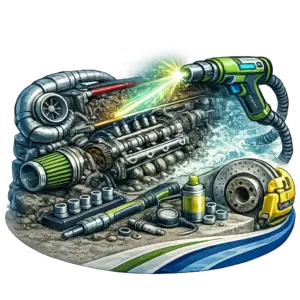
Vehicle restoration projects achieve professional results previously impossible with conventional methods. Classic car chassis clean without warping thin panels. Suspension components restore to original specifications. Body panels emerge ready for primer application without filler requirements.
Modern repair facilities use laser cleaning for accident damage restoration. Frame straightening operations benefit from rust-free surfaces that weld cleanly. Corrosion repair on late-model vehicles proceeds without additional substrate damage.
Manufacturing and Industrial Maintenance
Production machinery accumulates oxidation during storage or periods of disuse. Laser cleaning restores mothballed equipment to operational condition rapidly. Bearing surfaces, sliding ways and precision components all benefit from non-abrasive treatment.
Maintenance departments keep critical equipment running longer through proactive corrosion management. Scheduled cleaning prevents deterioration from progressing to failure thresholds. Unexpected breakdowns decrease whilst equipment reliability improves.
Marine and Coastal Operations
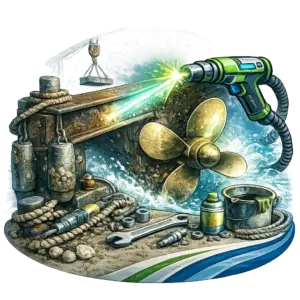
Salt exposure accelerates corrosion dramatically. Vessel hulls, deck hardware and rigging components all suffer from maritime environments. Laser cleaning removes oxidation without damaging anti-fouling coatings or substrate materials.
Mooring infrastructure benefits similarly. Bollards, cleats and railings restore to safe working condition. Structural inspections proceed more accurately when surfaces are clean and visible.
Construction and Infrastructure Maintenance
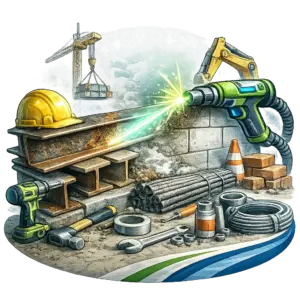
Structural steel preparation for welding or coating proceeds efficiently with laser technology. Bridge components, building frameworks and industrial structures all require periodic maintenance. Traditional methods struggle with access limitations and environmental restrictions that laser systems overcome easily.
Portable equipment reaches difficult locations. Overhead work proceeds safely. Confined spaces accommodate compact laser units where sandblasting equipment cannot operate.
Utility and Municipal Services
Water, gas and electrical infrastructure contains countless metal components vulnerable to corrosion. Valve bodies, pipe flanges and junction boxes all require periodic attention. Laser cleaning maintains these critical assets without service interruption or hazardous waste generation.
Conservation and Restoration Specialists
Historical artefacts, sculptures and architectural elements demand expertise that preserves original materials. Laser cleaning removes corrosion without altering surface patina or removing original finishes. Museums, galleries and heritage organisations benefit from technology that traditional methods cannot match.
The Strategic Future of Rust Management
Metal corrosion will always occur in humid, coastal climates like Wellington’s. Damage and deterioration remain optional choices rather than inevitable outcomes.
Laser cleaning technology provides businesses with tools to combat oxidation effectively. Protected assets deliver longer service lives. Maintenance costs decrease through elimination of premature replacements. Operational reliability improves when equipment remains structurally sound.
Environmental stewardship aligns with business efficiency. Chemical usage drops to zero. Waste generation becomes negligible. Regulatory compliance simplifies whilst workplace safety improves.
Industries adopting advanced surface treatment methods gain competitive advantages. Faster turnaround times attract customers. Higher quality outcomes build reputation. Lower operating costs improve profit margins.
The transition from traditional rust removal to laser technology represents more than equipment upgrade. It signals commitment to excellence, sustainability and operational efficiency that differentiates forward-thinking Wellington businesses from competitors still relying on outdated methods.
Surface preparation quality influences every subsequent process. Coating longevity, weld integrity and component reliability all depend on proper substrate condition. Laser technology delivers the foundation that ensures optimal results across industrial applications.
References
Environmental Protection Authority New Zealand – Regulatory framework governing hazardous substances, workplace chemical safety and environmental compliance for traditional rust removal methods.
https://www.epa.govt.nz/
Standards New Zealand – Technical specifications for surface preparation, coating systems, corrosion protection and quality assurance across industrial sectors.
https://www.standards.govt.nz/
WorkSafe New Zealand – Health and safety requirements for abrasive blasting operations, chemical handling, respiratory protection and workplace hazard management.
https://www.worksafe.govt.nz/
BRANZ – Construction industry research on structural steel treatment, corrosion prevention, material preservation and building component maintenance.
https://www.branz.co.nz/
New Zealand Transport Agency – Vehicle safety standards, structural integrity requirements and compliance specifications for automotive restoration and repair sectors.
https://www.nzta.govt.nz/
Ministry for the Environment – Environmental sustainability guidelines, waste reduction strategies and pollution prevention frameworks relevant to industrial cleaning processes.
https://www.mfe.govt.nz/