
Automotive Laser Cleaning
Professional Mobile Laser Cleaning for Cars, Trucks & Fleet Vehicles
Rust Removal, Paint Stripping & Weld Prep Without Surface Damage
Mobile automotive laser cleaning across Wellington, Hutt Valley, Porirua & Kapiti Coast. Rust removal, paint stripping & weld prep without chemicals or damage.

Wellington-Based
Mobile Service
On-site laser cleaning
across Wellington and
the wider region.

Eco-Friendly &
Chemical Free
Safe for the environment
and sensitive surfaces

Precision Cleaning,
Non-Abrasive
Gentle, yet highly
effective cleaning
process

Experienced
Local Operator
Trusted expert in laser
cleaning technology.
Automotive Laser Cleaning Applications
Automotive Applications by Material & Component Type
| Component Area | Steel / Carbon Steel | Stainless Steel | Aluminium & Alloys | Typical Applications |
|---|---|---|---|---|
| Chassis & Underbody | • Rust removal from frame rails • Corrosion cleaning on crossmembers • Pre-weld surface prep • Paint stripping for repair |
• Exhaust system cleaning • Heat-tint removal • Trim component restoration |
• Subframe cleaning • Suspension component prep • Oxidation removal |
Classic car restoration, fleet maintenance, panel shop repairs |
| Body Panels & Exterior | • Paint removal from panels • Rust spot treatment • Surface prep for coating • Door & bonnet cleaning |
• Trim piece restoration • Badge & emblem cleaning • Decorative stainless strips |
• Bonnet & boot lid prep • Panel oxidation removal • Alloy wheel restoration |
Paint prep, dent repair preparation, restoration projects |
| Engine Bay & Mechanical | • Engine block cleaning • Carbon deposit removal • Oil residue treatment • Bracket & mounting cleaning |
• Exhaust manifold cleaning • Header pipe restoration • Decorative engine covers |
• Aluminium engine housing • Intake manifold cleaning • Valve cover restoration • Transmission casing prep |
Engine rebuilds, performance upgrades, classic restorations |
| Suspension & Steering | • Control arm cleaning • Spring & shock mounts • Steering component prep • Rust removal from brackets |
— | • Aluminium suspension arms • Steering knuckle cleaning • Mounting bracket prep |
Suspension rebuilds, geometry work, safety inspections |
| Braking System | • Brake disc rust removal • Calliper bracket cleaning • Handbrake component prep |
• Stainless brake lines • Performance calliper cleaning |
• Aluminium calliper restoration • Mounting hardware prep |
Brake servicing, performance upgrades, classic car maintenance |
| Welding & Fabrication Prep | • Pre-weld oxide removal • Post-weld heat-tint cleaning • Structural repair prep • Patch panel preparation |
• Exhaust fabrication prep • Custom work cleaning • Post-weld finishing |
• Aluminium welding prep • Custom fabrication cleaning • Body modification work |
Structural repairs, custom fabrication, modification work |
Precision Vehicle Surface Treatment Without Compromise
Automotive restoration and maintenance demand accuracy. Whether you’re working on a classic vehicle or managing a commercial fleet, surface preparation makes the difference between lasting quality and shortcuts that fail. Laser cleaning removes rust, old coatings, and contaminants from metal components without abrasives, chemicals, or heat distortion. The process preserves delicate alloys and precision parts while delivering uniform results across chassis members, engine components, and bodywork.
Traditional methods like sandblasting or chemical stripping carry risks. Abrasive media can pit soft metals. Solvents leave residues that interfere with welding and painting. Heat guns warp thin panels. Laser cleaning eliminates these problems. The technology targets only the surface layer, vaporising rust and paint while leaving the base metal intact. This precision matters when working with aluminium panels, stainless fixtures, or components where dimensional accuracy counts.
How Automotive Laser Cleaning Works
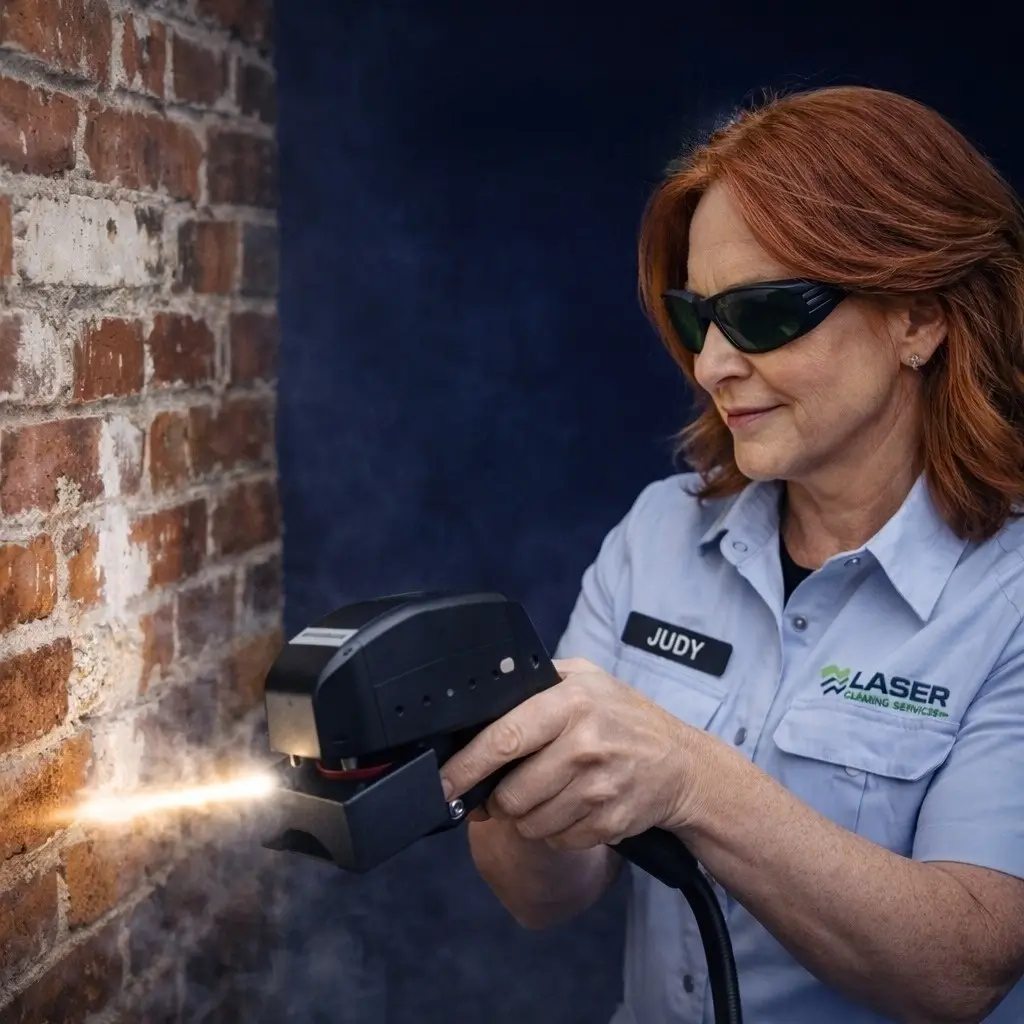
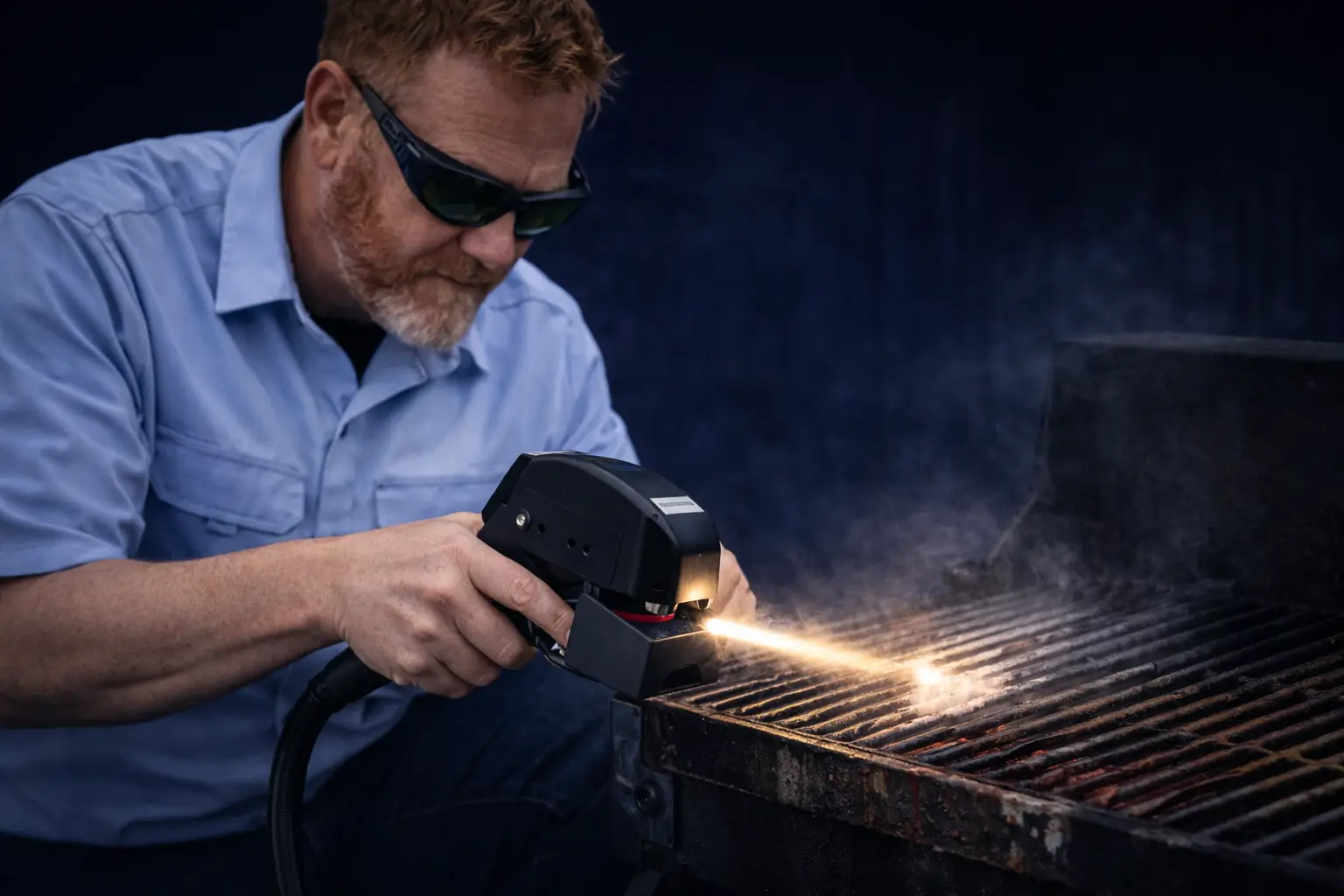
Pulsed laser energy strikes the contaminated surface at high frequency. Rust, paint, oils, and oxides absorb this energy and break apart at the molecular level. The base metal reflects most of the laser light and remains unaffected. An integrated extraction system captures the vaporised particles, keeping the work area clean. The result is bare metal ready for coating, welding, or inspection with no mechanical contact, no abrasion, and no chemical residue.
This non-contact approach protects sensitive components. Brake discs, engine blocks, suspension parts, and body panels can all be cleaned without grinding away material or leaving surface damage. Because laser parameters adjust for different metals and contamination levels, the same equipment handles both heavy rust removal and delicate component cleaning. Settings can shift between aggressive cleaning for structural steel and gentle treatment for thin aluminium or brass fittings.
Rust Removal That Preserves Original Metal
Rust forms quickly on exposed steel surfaces, especially in coastal areas where salt accelerates corrosion. Left untreated, it spreads beneath paint and weakens structural components. Removing rust without damaging the metal beneath requires control that abrasive methods can’t provide. Laser cleaning strips corrosion layers precisely, stopping at the clean metal surface without removing material thickness or creating rough textures.
This accuracy matters for chassis restoration. Original factory stampings, VIN plates, and pressed details survive intact. Panel thickness remains unchanged. The cleaned surface shows no pitting or gouging. What remains is stable, oxide-free metal ready for primer and topcoat. This approach works across all steel types, from mild carbon steel body panels to high-strength suspension components.
Paint and Coating Removal for Restoration Projects
Stripping old paint from classic vehicles presents challenges. Chemical strippers soak into seams and crevices, causing problems later. Media blasting removes paint but also takes metal with it, especially on thin panels. Laser cleaning vaporises paint layers without mechanical force. Multiple coats come off without harming the substrate. Intricate details, badges, and pressed lines stay sharp.
The process works equally well on single-stage enamels, modern base coat/clear coat finishes, and powder coatings. Aluminium panels, which pit easily under abrasive blasting, clean without surface damage. Chrome plating survives where media would strip it away. For restoration shops and enthusiasts, this means less rework, lower material costs, and original components that retain their integrity through multiple refinishing cycles.
Weld Preparation Without Contamination
Welding requires clean metal. Surface oxides, oils, and old coatings cause porosity, weak joints, and weld defects. Conventional cleaning methods struggle with tight spaces and complex geometries. Grinding wheels can’t reach every surface. Chemical cleaners leave films that burn off during welding, creating fumes and contamination. Laser cleaning accesses difficult areas and removes contaminants completely.
This capability benefits chassis repairs, exhaust fabrication, and structural modifications. Weld seams come out clean with proper penetration and no inclusions. Post-weld cleaning removes heat tint and oxidation without affecting the surrounding metal. The process handles stainless steel, aluminium, mild steel, and other common automotive materials. Because cleaning happens in seconds, preparation time drops significantly compared to manual methods.
Engine Component Restoration
Engine rebuilds demand cleanliness. Block surfaces, head gaskets, bearing journals, and piston rings must be free of carbon deposits, old gasket material, and oxidation. Traditional cleaning involves hours of scraping, wire brushing, and solvent soaking. Laser cleaning removes these contaminants in minutes without scratching machined surfaces or removing material.
Aluminium engine blocks require special care. Abrasive cleaning damages the soft metal. Chemical strippers seep into water jackets and oil passages. Laser treatment cleans the surface without these risks. Carbon deposits on exhaust manifolds, turbo housings, and valve covers disappear without affecting the metal underneath. This speed and precision reduces engine rebuild time while ensuring components meet factory cleanliness standards.
Chassis and Undercarriage Treatment
Vehicle undercarriages accumulate rust, road grime, and old undercoat. Removing this buildup for inspection or repair typically involves grinding, scraping, and chemical treatments. These methods take time and create mess. Laser cleaning handles heavy corrosion and thick coatings without dismantling components or creating hazardous waste.
Suspension members, subframes, and floor pans clean up quickly. The laser penetrates into seams and crevices that brushes can’t reach. Original factory coatings on adjacent areas survive untouched. For commercial fleets, this means faster turnaround on maintenance work. Inspection becomes easier when rust and grime no longer hide cracks, corrosion, or structural damage.
Brake System Maintenance
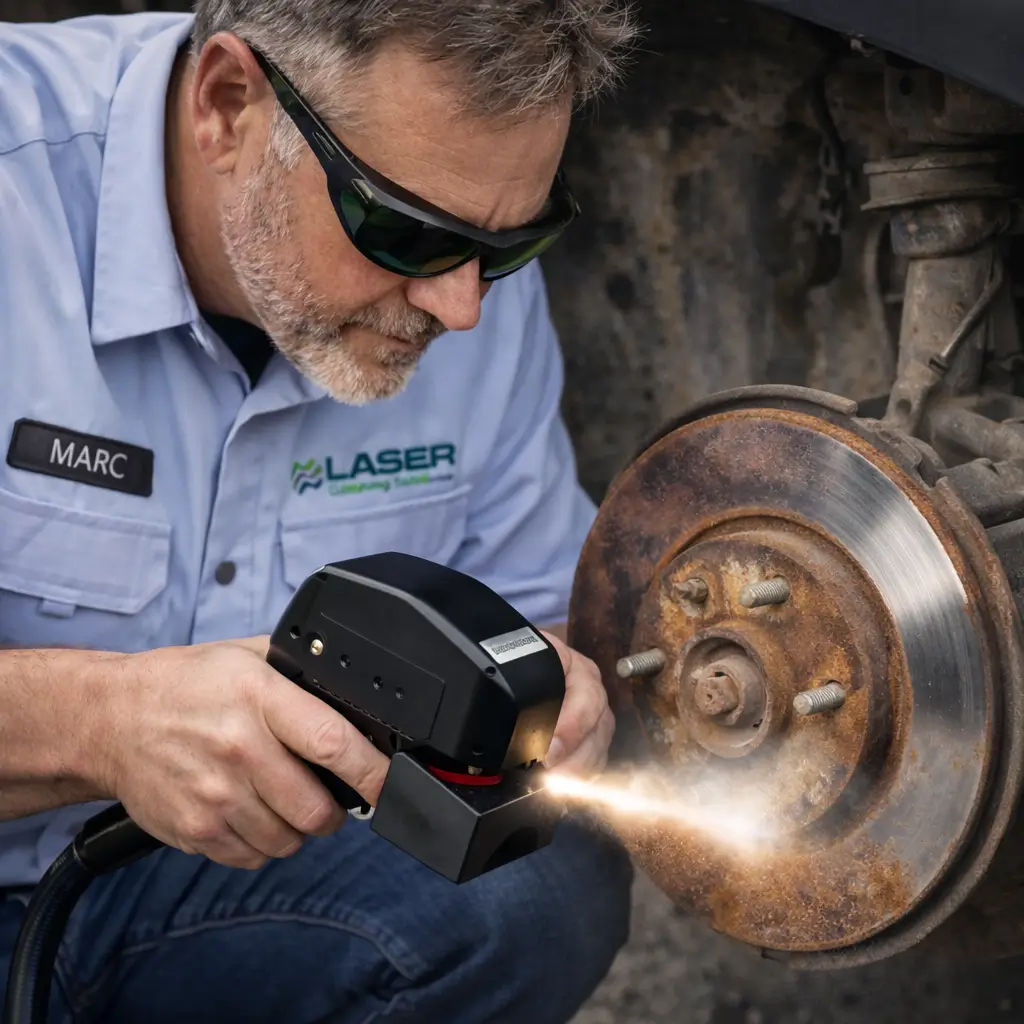
Brake discs accumulate rust between services, especially on vehicles that sit idle. This rust layer causes noise, vibration, and uneven pad wear. Removing it without affecting disc thickness or surface finish requires precision. Laser cleaning strips the rust without grinding away friction surfaces or leaving abrasive contamination in the brake system.
Performance brake systems benefit particularly from this approach. High-carbon rotors and drilled/slotted discs clean completely without material removal. Caliper brackets, mounting hardware, and ABS sensor rings can all be treated without dismantling the assembly. This saves labour time while ensuring brake components remain within specification.
Mobile Service Across Wellington, Porirua, Hutt Valley, and Kapiti Coast
Laser Cleaning Services brings this technology directly to workshops, restoration shops, and fleet facilities across the greater Wellington region. Mobile units handle work on-site, eliminating transport costs and downtime. From Lower Hutt industrial areas to Kapiti Coast marine and automotive facilities, the service covers Wellington, Porirua, Upper Hutt, and surrounding areas including Waikanae and Paraparaumu.
On-site work means vehicles and components stay in your facility. Large assemblies that can’t be easily removed get cleaned in place. Fleet operators benefit from minimal disruption to daily operations. Restoration shops avoid the logistics of moving delicate classic vehicles. The mobile approach combines convenience with professional results.
Environmental Advantages for Automotive Work
Traditional automotive surface preparation generates waste. Spent abrasive media, contaminated solvents, and stripped coatings all require disposal. Laser cleaning produces no secondary waste beyond the vaporised contaminant particles, which the extraction system captures. No chemicals enter drains or groundwater. No abrasive grit spreads across workshop floors.
This approach aligns with environmental regulations while reducing operating costs. Shops eliminate consumable purchases and waste handling fees. Workers avoid exposure to hazardous chemicals and airborne particulates. The dry process means no drying time, no rinsing, and no moisture-related corrosion concerns on freshly cleaned metal surfaces.
Applications Across Vehicle Types
Laser cleaning adapts to different automotive sectors. Classic car restoration benefits from non-destructive treatment of original panels and chrome trim. Performance workshops use it for engine component cleaning and brake system maintenance. Commercial fleet operations rely on it for rapid undercarriage inspection and preparation. Panel shops apply it to spot repairs and paint removal without affecting adjacent areas.
Agricultural vehicles, construction equipment, and marine engines all face similar surface contamination challenges. Rust, old coatings, oil residues, and carbon deposits respond to laser treatment regardless of vehicle type. The technology scales from small motorcycle parts to heavy vehicle chassis with appropriate equipment selection and parameter adjustment.
Technical Specifications and Material Compatibility
The SFX 300W air-cooled pulse laser system handles ferrous and non-ferrous metals including carbon steel, stainless steel, aluminium, brass, and copper. Variable power settings and pulse frequencies allow treatment of different coating types and contamination levels. The anti-high-reflection laser source works safely on reflective materials without risk to the operator or equipment.
Surface preparation happens without thermal distortion. Panel thickness remains unchanged. Precision components maintain dimensional accuracy. Heat-sensitive assemblies like wiring harnesses and rubber seals tolerate nearby laser cleaning without damage. This versatility means one technology serves multiple applications across automotive maintenance and restoration work.
Why Choose Laser Cleaning Services for Automotive Work
Automotive projects demand reliability. Whether restoring a heritage vehicle or maintaining a working fleet, surface preparation affects final quality and longevity. Laser Cleaning Services provides mobile access to professional laser treatment throughout the Wellington region. The service eliminates abrasive damage, chemical residues, and time-consuming manual preparation while delivering consistent results across diverse materials and applications.
Work proceeds faster. Components stay within specification. Environmental impact drops. Operating costs decrease through elimination of consumables and waste disposal. From single vehicle restorations to ongoing fleet maintenance contracts, the service adapts to project scale and requirements. Contact Laser Cleaning Services to discuss automotive laser cleaning applications and schedule an assessment.
Benefits of Automotive Laser Cleaning over Traditional Methods
Automotive Laser Cleaning vs Traditional Methods
| Consideration | Sandblasting | Chemical Stripping | Wire Wheel/Grinding | Laser Cleaning |
|---|---|---|---|---|
| Preserves Base Metal | ✗ Poor | △ Moderate | ✗ Poor | ✓ Excellent |
| Thin Panel Safe | ✗ No | △ Risk | ✗ No | ✓ Yes |
| No Warping/Heat Damage | ✓ Yes | ✓ Yes | ✗ Risk | ✓ Yes |
| No Chemical Waste | ✓ Yes | ✗ No | ✓ Yes | ✓ Yes |
| Precision Control | ✗ Poor | ✗ Poor | △ Moderate | ✓ Excellent |
| Suitable for Aluminium | ✗ Risk | △ Limited | ✗ Risk | ✓ Excellent |
| On-Site Capability | ✗ Difficult | ✗ No | ✓ Yes | ✓ Yes |