
Construction Laser Cleaning
Precision Surface Treatment for Building Sites and Infrastructure
Graffiti Removal, Rust Treatment & Fire Damage Restoration Without Chemicals
Mobile construction laser cleaning across Wellington, Hutt Valley, Porirua & Kapiti Coast. Steel prep, concrete cleaning, graffiti removal without chemicals.

Wellington-Based
Mobile Service
On-site laser cleaning
across Wellington and
the wider region.

Eco-Friendly &
Chemical Free
Safe for the environment
and sensitive surfaces

Precision Cleaning,
Non-Abrasive
Gentle, yet highly
effective cleaning
process

Experienced
Local Operator
Trusted expert in laser
cleaning technology.
Construction Laser Cleaning Applications
Construction Applications by Material & Component Type
| Application Area | Steel / Carbon Steel | Stainless Steel | Concrete & Masonry | Typical Applications |
|---|---|---|---|---|
| Structural Steel | • Structural steel cleaning • Corrosion treatment • Mill scale removal • Pre-weld preparation • Beam & column restoration |
• Stainless structural members • Architectural steel cleaning • Decorative beams |
— | Commercial buildings, industrial facilities, bridges, infrastructure |
| Building Facades & Exteriors | • Cladding panel cleaning • Metal facade restoration • Structural fixture cleaning |
• Stainless cladding cleaning • Architectural features • Decorative panels • Entrance surrounds |
• Facade cleaning • Stain & residue removal • Graffiti removal • Biological growth removal |
Office buildings, retail premises, civic buildings, historic structures |
| Concrete Structures | — | — | • Concrete surface prep • Coating removal • Graffiti removal • Oil stain treatment • Paint stripping • Fire/smoke residue |
Car parks, warehouses, floors, walls, columns, infrastructure |
| Welding & Fabrication | • Pre-weld oxide removal • Post-weld heat-tint cleaning • Seam preparation • Weld carbon removal • Surface prep for inspection |
• Stainless fabrication prep • Post-weld oxide removal • Heat-tint removal • Architectural weld finishing |
— | Fabrication shops, on-site welding, structural repairs, steelwork |
| Heavy Machinery & Equipment | • Excavator cleaning • Crane component restoration • Equipment rust removal • Machinery surface prep • Fleet maintenance |
• Hydraulic component cleaning • Precision machinery parts |
— | Construction equipment, plant machinery, earthmoving fleet |
| Infrastructure & Utilities | • Bridge corrosion treatment • Railing restoration • Localised coating removal • Structural inspection prep • Barrier cleaning |
• Stainless fittings cleaning • Asset surface prep • Handrail restoration |
• Infrastructure cleaning • Equipment component prep • Concrete repair prep |
Bridges, tunnels, public infrastructure, utilities, transport assets |
| Heritage & Conservation | • Metal statue restoration • Historic fixture cleaning • Oxide/soot removal • Decorative ironwork |
• Architectural stainless features • Historic installations |
• Stone facade cleaning • Pollution/soot removal • Biological growth removal • Historic brick restoration |
Heritage buildings, monuments, historic structures, conservation projects |
| Fire & Smoke Damage Restoration | • Structural steel cleaning • Soot removal from beams • Smoke damage treatment |
• Stainless fixture restoration • Smoke residue removal |
• Fire/smoke residue removal • Soot cleaning from concrete • Char removal from masonry |
Fire-damaged buildings, restoration projects, insurance work |
Automotive Laser Cleaning
Precision Surface Treatment for Building Sites and Infrastructure
Construction projects demand surface preparation methods that deliver quality without causing delays or complications. Rust removal, coating stripping, concrete cleaning, and graffiti treatment all factor into building maintenance and restoration work. Laser Cleaning Services handles these requirements using non-contact technology that removes contamination while preserving substrate integrity. The process works across structural steel, concrete, stone, brick, and stainless fixtures without abrasives, chemicals, or water pressure that damages surfaces.
Traditional construction cleaning methods create problems. Sandblasting generates dust clouds and contaminates surrounding areas. Chemical strippers require containment, disposal, and create environmental hazards. Water blasting saturates materials and causes secondary damage. Wire brushing leaves scratches and incomplete cleaning. Laser cleaning eliminates these issues by targeting only the surface layer, vaporising contaminants while leaving base materials intact. This precision matters when working on heritage buildings, occupied structures, or projects where substrate preservation cannot be compromised.
How Laser Cleaning Technology Serves Construction Applications
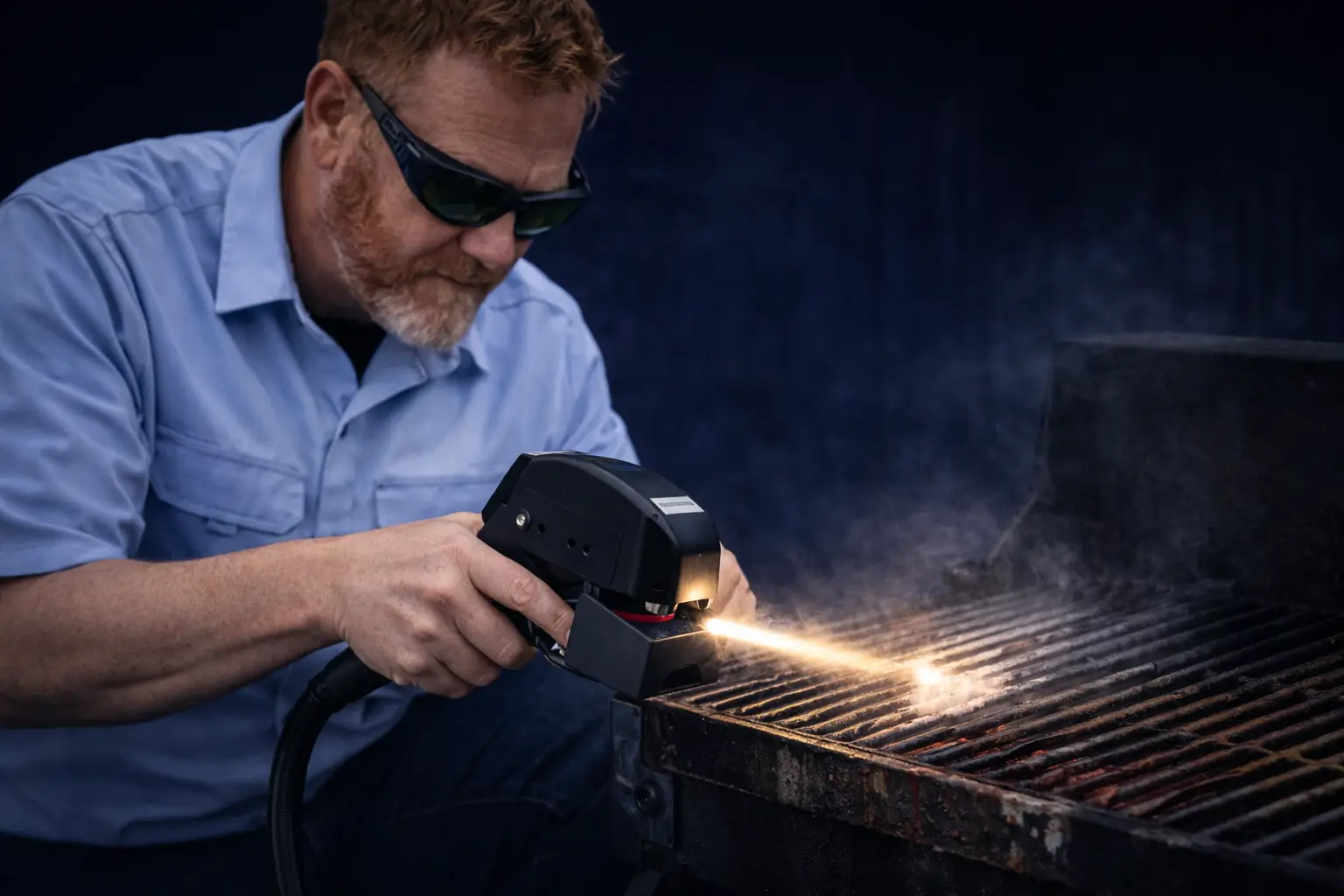
Our laser cleaning equipment directs pulsed energy beams at contaminated surfaces. Rust, paint, biological growth, soot, and atmospheric pollution absorb this energy and break apart at the molecular level. The base material reflects most of the laser light and remains unaffected. An extraction system captures vaporised particles, maintaining clean working conditions. The result is prepared surfaces ready for coating, inspection, or restoration with no mechanical contact, no abrasion, and no chemical treatment.
This non-contact approach protects delicate materials. Heritage stonework, decorative brickwork, architectural metalwork, and historic timber all receive treatment without grinding, pitting, or chemical infiltration. Because our equipment provides adjustable power settings and pulse frequencies, the same technology handles heavy structural steel corrosion and sensitive heritage facade restoration. Settings adjust to match different materials and contamination levels, delivering consistent results across diverse construction requirements.
Structural Steel Restoration and Surface Preparation
Steel structures develop rust rapidly when protective coatings fail or during extended construction periods. This corrosion spreads beneath paint and compromises structural integrity if left untreated. Removing rust without damaging the steel beneath requires control that conventional methods struggle to provide. Laser cleaning strips corrosion layers precisely, stopping at clean metal without removing material thickness or creating rough textures that affect subsequent coating adhesion.
Beams, columns, trusses, and connection plates all benefit from this approach. Fabrication markings, structural stamps, and identification numbers survive intact. Steel thickness remains unchanged. The cleaned surface shows no pitting or contamination. What remains is stable, oxide-free metal ready for protective coating systems. This accuracy proves particularly valuable on occupied sites where dust control, noise restrictions, and environmental compliance limit traditional cleaning methods.
Concrete Surface Preparation and Coating Removal
Concrete surfaces require preparation before coating application or repair work. Oil stains, graffiti, old paint, and atmospheric contamination all interfere with coating adhesion and repair material bonding. Removing these contaminants traditionally involves grinding, chemical treatment, or high-pressure washing. These methods damage concrete surfaces, create slurry waste, or drive contaminants deeper into porous concrete. Laser cleaning removes surface contamination without mechanical abrasion or chemical infiltration.
Floor slabs, walls, beams, and decorative concrete all respond to laser treatment. The process removes contamination while preserving surface texture and aggregate exposure. No grinding dust fills work areas. No chemical waste requires disposal. For projects requiring immediate coating application, the dry laser process eliminates drying time associated with water-based cleaning methods. This accelerates project schedules while ensuring proper surface preparation.
Graffiti Removal from Multiple Building Materials
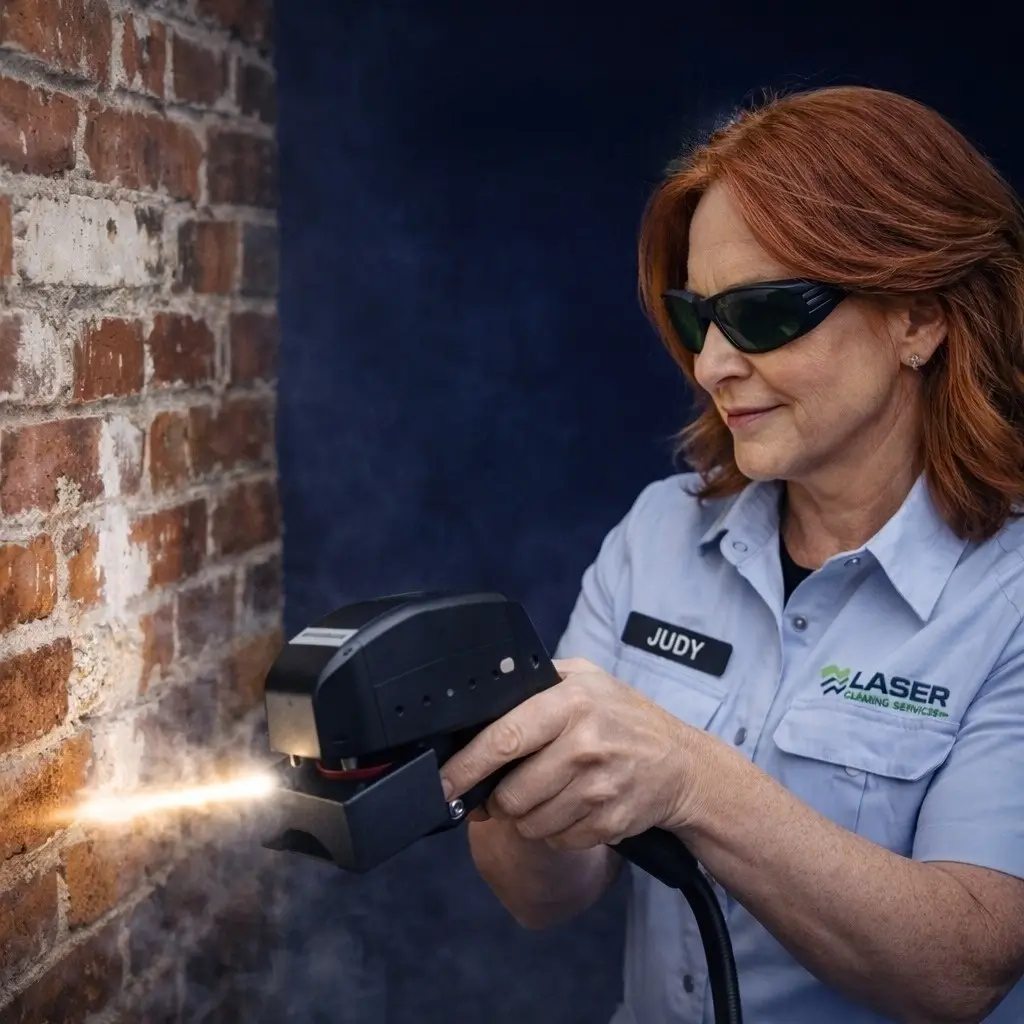
Graffiti vandalism affects building facades, concrete structures, and public infrastructure. Removing spray paint without damaging underlying surfaces presents challenges across different materials. Chemical strippers penetrate porous surfaces and leave staining. Sandblasting removes paint but also damages brick, concrete, and stone. Laser cleaning vaporises paint layers without mechanical force or chemical reaction, leaving substrates unaffected.
Brick walls, concrete panels, stone facades, and metal surfaces all clean successfully. Multiple paint layers disappear without substrate damage. Porous materials like brick and concrete clean without paint being driven deeper into the surface. For councils, property managers, and building owners, this means rapid graffiti removal without permanent surface alteration or need for repainting entire wall sections.
Fire and Smoke Damage Restoration
Fire-damaged structures accumulate soot, char, and smoke residues that prove difficult to remove without causing further damage. These contaminants penetrate porous materials and resist conventional cleaning methods. Chemical cleaners spread contamination. Scrubbing damages weakened surfaces. Laser cleaning removes fire damage contamination through controlled vaporisation, preserving underlying materials that might otherwise require replacement.
Steel structures, concrete elements, brickwork, and timber framing all respond to laser treatment. The process removes soot layers without spreading contamination to clean areas. Structural elements can be assessed accurately once soot no longer obscures cracks, spalling, or damage. For heritage buildings affected by fire, this non-invasive approach preserves original materials while achieving thorough cleaning.
Heritage Building and Stone Facade Conservation
Heritage structures require cleaning methods that remove atmospheric pollution, biological growth, and previous coating attempts without damaging original materials. Stone facades, decorative brickwork, and architectural metalwork all demand careful treatment. Sandblasting destroys surface detail. Chemical cleaning causes staining. Water infiltration accelerates deterioration. Laser cleaning removes contamination while preserving original surface texture and detail.
Limestone, sandstone, granite, and marble all clean successfully. Biological growth, pollution crusts, and old consolidation treatments disappear without stone erosion. Carved details, inscriptions, and decorative elements survive intact. For heritage consultants and conservation architects, this technology provides controllable cleaning that meets conservation standards while achieving visible restoration results.
Stainless Steel and Architectural Metal Cleaning
Building facades incorporate stainless steel panels, railings, and decorative elements that develop tea staining, heat tint, and atmospheric oxidation. These surface defects affect appearance and can hide corrosion or damage. Traditional cleaning methods risk scratching polished surfaces or damaging thin-gauge materials. Laser cleaning removes oxidation and contamination without mechanical contact, restoring original stainless finishes.
Building entrances, handrails, cladding panels, and decorative metalwork all respond to laser treatment. Original surface textures and finishes survive intact. No polishing compounds leave residues requiring removal. For commercial buildings and public infrastructure, this maintains professional appearance while preserving architectural metal installations.
Weld Preparation and Post-Weld Cleaning on Construction Sites
Construction welding requires clean metal surfaces. Mill scale, rust, oils, and old coatings cause weld defects and weak joints. Grinding wheels struggle with large structural members and complex geometries. Chemical pre-cleaners require containment and create environmental issues. Laser cleaning accesses difficult areas and removes all surface contaminants completely.
This capability benefits steel fabrication shops and on-site construction work. Weld joints achieve proper penetration with no slag inclusions. Post-weld cleaning removes heat tint and spatter without affecting surrounding material. The process handles structural steel, stainless steel architectural work, and aluminium curtain wall fabrication equally well. Because surface preparation happens rapidly, overall project timelines improve compared to manual cleaning methods.
Heavy Machinery and Equipment Maintenance
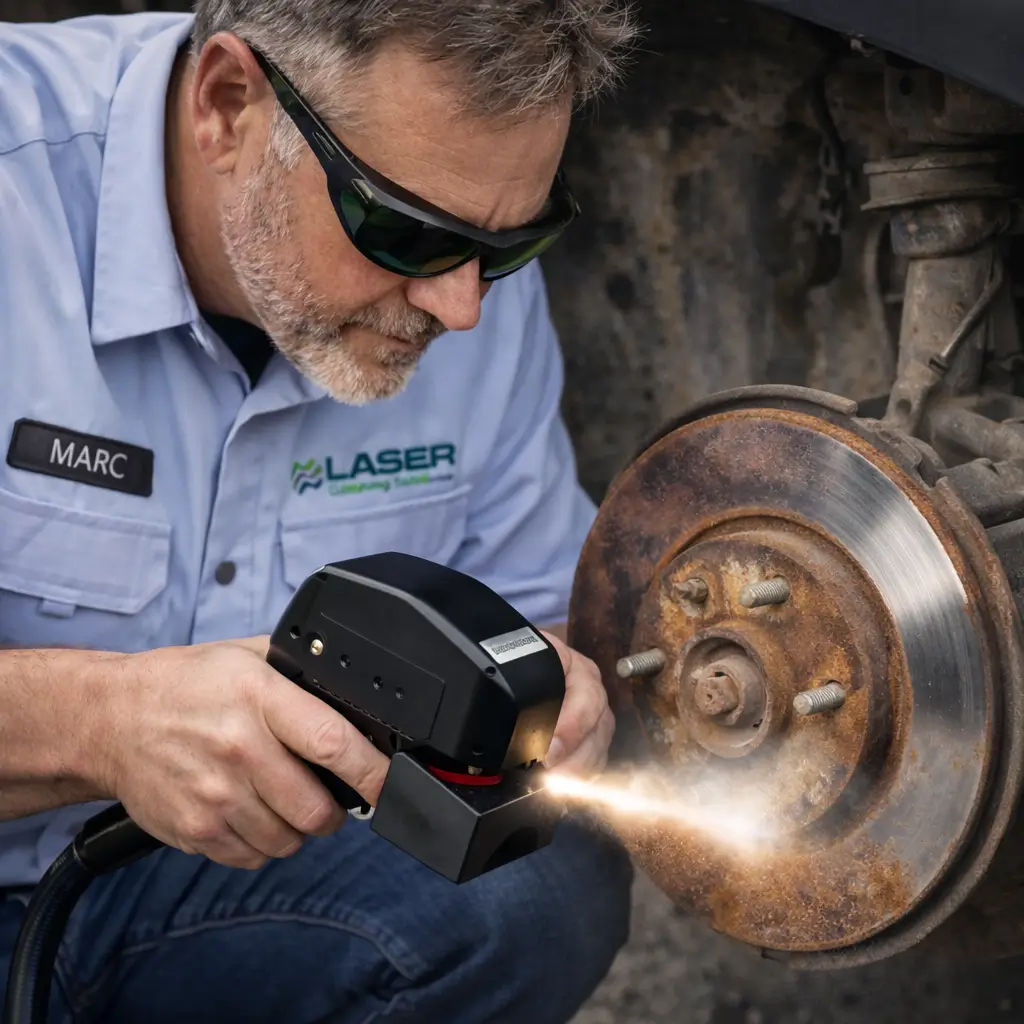
Construction sites operate heavy machinery that accumulates rust, grease, old paint, and contamination. Equipment maintenance requires cleaning before inspection, repair, or repainting. Traditional methods involve extended downtime while machinery undergoes chemical soaking or abrasive blasting at off-site facilities. Laser cleaning treats equipment on-site, reducing maintenance downtime and transport costs.
Excavators, cranes, compressors, and site vehicles all benefit from this approach. Rust and old coatings strip away without dismantling assemblies. Engine components, hydraulic systems, and structural frames clean thoroughly. For equipment hire companies and construction contractors, this means faster turnaround on scheduled maintenance while ensuring machinery returns to service in proper condition.
Localised Coating and Sealant Removal
Building maintenance occasionally requires localised coating removal for repairs or modifications. Removing paint, sealants, or protective coatings from specific areas without affecting surrounding finishes proves difficult with traditional methods. Grinding creates dust and damages adjacent surfaces. Chemical strippers spread beyond target areas. Laser cleaning provides precise localised treatment that removes coatings from defined areas while leaving surrounding finishes intact.
Concrete repairs, steel modifications, and building alterations all benefit from this precision. The process removes only what needs removing, reducing preparation time and eliminating unnecessary refinishing work. For occupied buildings and operating facilities, this minimises disruption while ensuring proper repair preparation.
Mobile Service Throughout Wellington and Surrounding Areas
Laser Cleaning Services provides mobile construction cleaning across Wellington, Porirua, Lower Hutt, Upper Hutt, Waikanae, Paraparaumu, and the wider Kapiti Coast region. Mobile equipment travels directly to construction sites, building facilities, and infrastructure locations. This eliminates material transport logistics and keeps projects on schedule without extended delays for off-site cleaning.
Large structural elements that resist transportation receive treatment in place. Heritage buildings avoid vibration and disturbance from transporting heavy equipment. Operating facilities maintain normal scheduling without extended shutdowns. The mobile approach combines convenience with professional results, bringing advanced surface restoration technology directly to construction work sites.
Environmental Benefits for Construction Projects
Traditional construction cleaning generates substantial waste. Spent abrasive media creates disposal issues. Contaminated chemicals require special handling. High-pressure washing creates contaminated slurry needing treatment. Laser cleaning produces no secondary waste beyond captured contaminant particles. No chemicals enter drainage systems. No abrasive grit contaminates sites. The extraction system captures vaporised material, maintaining clean working conditions.
This approach reduces project environmental impact and simplifies regulatory compliance. Contractors eliminate consumable purchases and waste disposal logistics. Workers avoid exposure to hazardous materials and airborne dust. The dry process means no water consumption, no contaminated runoff, and immediate readiness for subsequent coating or construction operations.
Applications Across Construction and Infrastructure Sectors
Construction laser cleaning adapts to different project types. Commercial building maintenance benefits from non-disruptive cleaning of occupied structures. Infrastructure projects utilise rapid treatment of bridges, tunnels, and public facilities. Heritage restoration relies on controlled cleaning that meets conservation requirements. Industrial facilities apply it to maintenance preparation and equipment cleaning.
Councils, property developers, construction contractors, and facility managers all face similar surface preparation challenges. Rust, old coatings, graffiti, and atmospheric contamination respond to laser treatment regardless of building type. The technology scales from small repair areas to large facade restoration projects through appropriate equipment deployment and parameter adjustment.
Why Choose Laser Cleaning Services for Construction Work
Construction projects demand reliable surface preparation that maintains schedules and quality standards. Whether restoring heritage buildings or maintaining modern infrastructure, cleaning quality affects project outcomes and asset longevity. Laser Cleaning Services provides mobile access to professional laser treatment throughout Wellington, Porirua, Lower Hutt, Upper Hutt, and the Kapiti Coast region including Waikanae and Paraparaumu.
Work proceeds efficiently. Substrates remain undamaged. Environmental impact decreases. Project costs reduce through elimination of consumables, waste disposal, and extended downtime. From heritage conservation to commercial building maintenance and infrastructure work, the service adapts to project scale and specific requirements. Contact Laser Cleaning Services to discuss construction applications and arrange an on-site assessment.
Benefits of Construction Laser Cleaning over Traditional Methods
Construction Laser Cleaning vs Traditional Methods
| Consideration | Sandblasting | Chemical Treatment | Grinding/Wire Wheel | Laser Cleaning |
|---|---|---|---|---|
| Preserves Structural Steel Integrity | ✗ Material loss | △ Etching risk | ✗ Surface damage | ✓ Perfect |
| Dust & Containment Free | ✗ High dust | ✗ Fumes | ✗ Dust | ✓ Minimal |
| Occupied Site Safe | ✗ Difficult | ✗ Hazardous | △ Noisy | ✓ Suitable |
| No Hazardous Waste | ✗ Media disposal | ✗ Chemical waste | ✓ Minimal | ✓ Zero |
| Heritage-Suitable | ✗ Destructive | ✗ Staining risk | ✗ Damage risk | ✓ Ideal |
| Precision Localised Work | ✗ Broad area only | ✗ Poor control | △ Limited | ✓ Excellent |
| Weld Quality Preparation | △ Adequate | ✗ Residue risk | △ Variable | ✓ Optimal |
| Concrete Surface Safe | ✗ Aggregate damage | ✗ Penetration | ✗ Gouging | ✓ Preserves |